Traveling abroad for cosmetic surgery has become a growing phenomenon that concerns eight out of ten plastic surgeons in Catalonia. Turkey (56%) and Colombia (41%) account for a significant portion of patients who travel across the globe in search of cheaper and quicker procedures. However, many of these surgeries, performed under looser medical standards and with insufficient follow-up care, triple the risk of serious complications and lead to an increase in hospital emergencies in Catalonia, according to a survey conducted by the Catalan Society of Reconstructive and Aesthetic Plastic Surgery (SCCPRE).
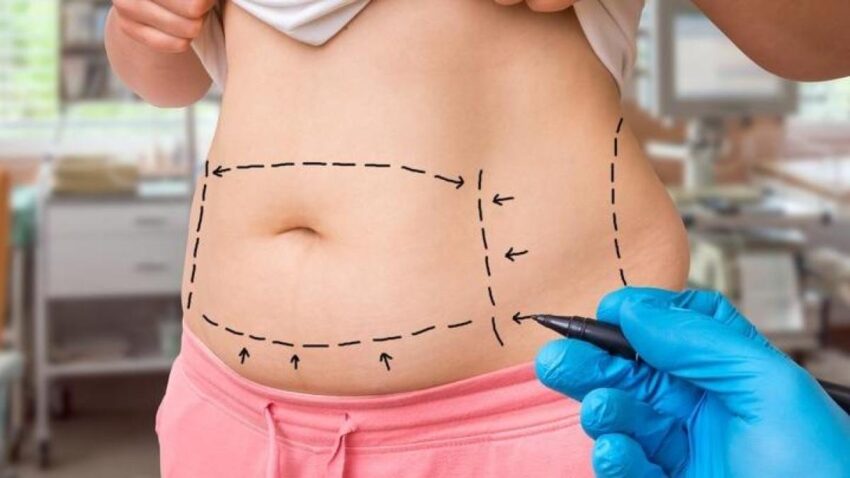
The procedures that present the highest complications are body contouring and abdominal surgeries, accounting for nearly 90% of cases. Specifically, abdominoplasty is the most complex (64%), followed by liposuction and buttock augmentation. “We are talking about very long surgeries, and therefore, higher risks. It is essential to conduct thorough preoperative evaluations, analyzing the patient’s health status, weight, whether an anesthetic consultation is needed, or even if they need to lose weight before the procedure,” explains Anna López Ojeda, vice president of SCCPRE, to La Vanguardia.
This process, crucial for ensuring safety, is often absent in low-cost aesthetic tourism, where many patients purchase ‘packages’ online for four days without knowing who will perform the surgery or under what conditions. “Patients choose a clinic as if they were booking a hotel,” she asserts. The primary motivation is “economic,” with some websites offering abdominoplasty packages for €3,900 in five-star hotels, while the same surgery in Spain would cost approximately double.
It is common for many patients to encounter complications upon their return. Often, wounds reopen or infections occur, leading them to seek emergency care. In fact, nearly 70% of the surveyed professionals (over a hundred) have treated public health emergencies arising from this type of aesthetic tourism.
In more than half of the cases, patients required hospital stays exceeding 24-48 hours and even additional surgeries, such as the removal of infected implants. Once the acute process is “resolved,” public healthcare cannot cover the aesthetic aspect. Patients are then referred to a private plastic surgeon for follow-up care.
“We see destroyed abdomens or infected implants, even patients with one implant in place and the other missing. We handle everything from minor complications, which are easy to resolve, to severe cases that require complex interventions and, many times, we cannot solve,” she admits.
Moreover, this type of care not only adds to the resource consumption of public healthcare but also introduces bacteria that are “endemic” in other countries.
Dr. López Ojeda notes that follow-up for an abdominoplasty typically lasts a year. In contrast, these patients return to Spain in less than a week or even just one day after long flights, adding significant risk factors.
The SCCPRE warns about the dangers of combining long flights with surgeries lasting over four hours, a practice that can triple the likelihood of suffering a pulmonary embolism or fat embolism, two leading causes of death in liposuction. For this reason, the Society reminds patients of existing safety recommendations: arrive at the surgery location at least two days prior if the flight lasts about two hours, and allow a margin of four days for longer journeys.
Additionally, patient dissatisfaction is prevalent. Almost 90% of surveyed professionals have treated patients unhappy with their surgeries abroad. In more than half of the cases (56%), corrective surgery is required, with one in four cases needing two or more additional surgeries. This entails significant economic and emotional costs.
Jordi Mir, president of SCCPRE, explains that 60% of liposuctions performed are secondary interventions, meaning patients who have previously undergone surgery (many in low-cost aesthetic tourism countries) and have experienced complications requiring correction.
“Aesthetic surgery should not be trivialized. Although patients are often healthy and present fewer risks than in major surgeries, it remains a surgical intervention with its own risks that must be carefully evaluated to ensure safety and meet outcome expectations,” emphasizes López Ojeda, aiming to raise awareness and responsibility among the public.